🎉 Up to 70% Off Selected ItemsShop Sale

THE INDIAN METROPOLIS
'Urban India has
grown significantly over the last decade, up by over 90 million people. The majority of our urban population, however, is concentrated in the largest cities, and only 27 per cent lives in small and mid-sized towns. India's growth is increasingly found in small towns and cities. Some of them, being primarily state capitals, have significant competitive advantages over the metros.
As we move past the Covid-19 pandemic, there is a clear need to improve urban planning. India has over 350 towns with populations between 1-5 lakh people, and over 42 towns with a population between 5-10 lakh people. Their growth needs encouragement, particularly for Tier 2 and Tier 3 cities, through better provision of public services.
Can we move away from prioritizing large cities-breaking them up into separate units if required to improve governance while disincentivizing the growth of mega-cities? A push on designing around existing population density will require measures to enhance affordable housing, improve and integrate transportation options, along with greater funding and support for public health and the environment. Making our cities more affordable to the urban poor will require work across various dimensions, in a holistic fashion.'
grown significantly over the last decade, up by over 90 million people. The majority of our urban population, however, is concentrated in the largest cities, and only 27 per cent lives in small and mid-sized towns. India's growth is increasingly found in small towns and cities. Some of them, being primarily state capitals, have significant competitive advantages over the metros.
As we move past the Covid-19 pandemic, there is a clear need to improve urban planning. India has over 350 towns with populations between 1-5 lakh people, and over 42 towns with a population between 5-10 lakh people. Their growth needs encouragement, particularly for Tier 2 and Tier 3 cities, through better provision of public services.
Can we move away from prioritizing large cities-breaking them up into separate units if required to improve governance while disincentivizing the growth of mega-cities? A push on designing around existing population density will require measures to enhance affordable housing, improve and integrate transportation options, along with greater funding and support for public health and the environment. Making our cities more affordable to the urban poor will require work across various dimensions, in a holistic fashion.'
Product Information
Product Information
Shipping & Returns
Shipping & Returns
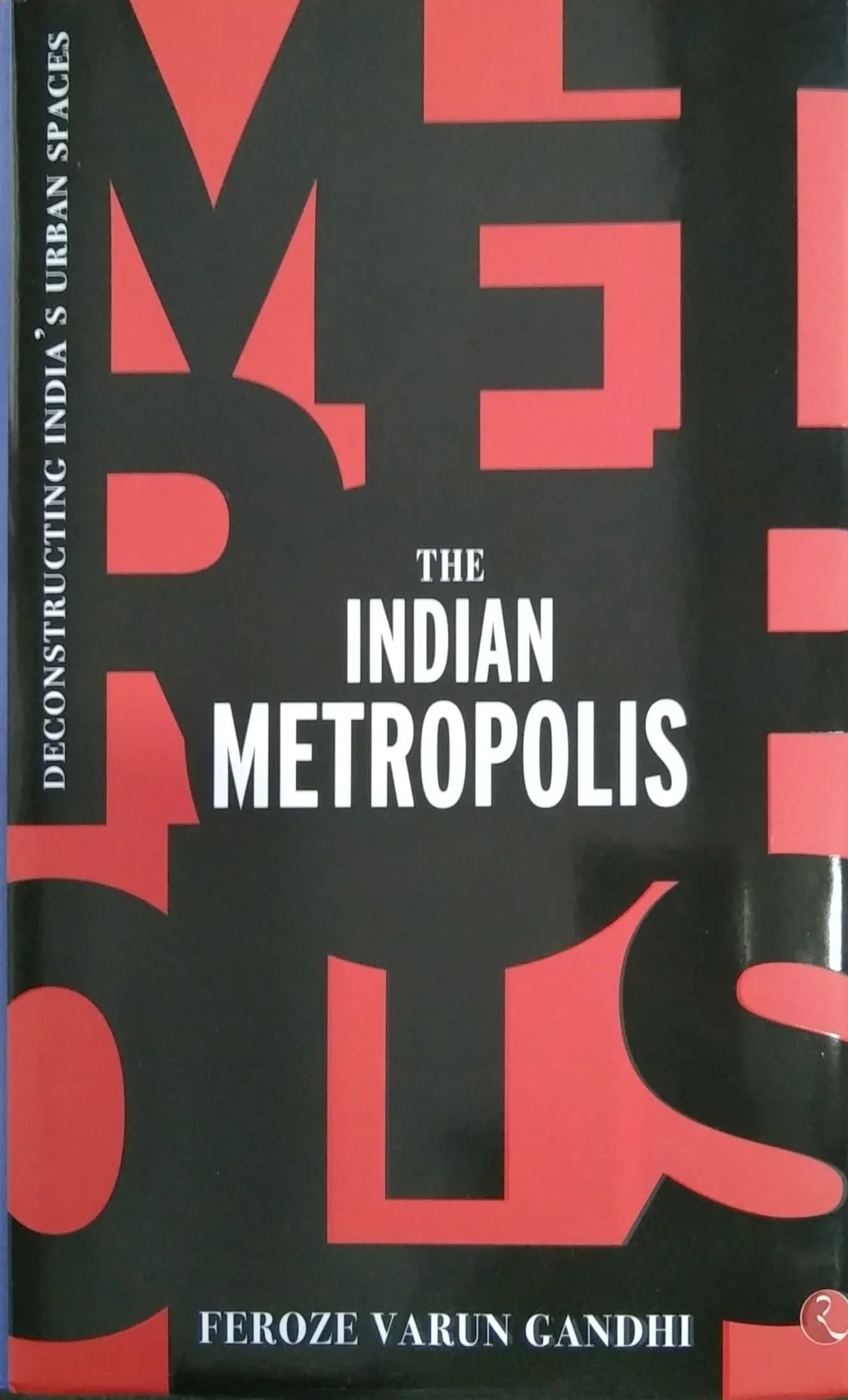
THE INDIAN METROPOLIS
THE INDIAN METROPOLIS
'Urban India has
grown significantly over the last decade, up by over 90 million people. The majority of our urban population, however, is concentrated in the largest cities, and only 27 per cent lives in small and mid-sized towns. India's growth is increasingly found in small towns and cities. Some of them, being primarily state capitals, have significant competitive advantages over the metros.
As we move past the Covid-19 pandemic, there is a clear need to improve urban planning. India has over 350 towns with populations between 1-5 lakh people, and over 42 towns with a population between 5-10 lakh people. Their growth needs encouragement, particularly for Tier 2 and Tier 3 cities, through better provision of public services.
Can we move away from prioritizing large cities-breaking them up into separate units if required to improve governance while disincentivizing the growth of mega-cities? A push on designing around existing population density will require measures to enhance affordable housing, improve and integrate transportation options, along with greater funding and support for public health and the environment. Making our cities more affordable to the urban poor will require work across various dimensions, in a holistic fashion.'
grown significantly over the last decade, up by over 90 million people. The majority of our urban population, however, is concentrated in the largest cities, and only 27 per cent lives in small and mid-sized towns. India's growth is increasingly found in small towns and cities. Some of them, being primarily state capitals, have significant competitive advantages over the metros.
As we move past the Covid-19 pandemic, there is a clear need to improve urban planning. India has over 350 towns with populations between 1-5 lakh people, and over 42 towns with a population between 5-10 lakh people. Their growth needs encouragement, particularly for Tier 2 and Tier 3 cities, through better provision of public services.
Can we move away from prioritizing large cities-breaking them up into separate units if required to improve governance while disincentivizing the growth of mega-cities? A push on designing around existing population density will require measures to enhance affordable housing, improve and integrate transportation options, along with greater funding and support for public health and the environment. Making our cities more affordable to the urban poor will require work across various dimensions, in a holistic fashion.'
$16.21
THE INDIAN METROPOLIS—
$16.21
Product Information
Product Information
Shipping & Returns
Shipping & Returns
Description
'Urban India has
grown significantly over the last decade, up by over 90 million people. The majority of our urban population, however, is concentrated in the largest cities, and only 27 per cent lives in small and mid-sized towns. India's growth is increasingly found in small towns and cities. Some of them, being primarily state capitals, have significant competitive advantages over the metros.
As we move past the Covid-19 pandemic, there is a clear need to improve urban planning. India has over 350 towns with populations between 1-5 lakh people, and over 42 towns with a population between 5-10 lakh people. Their growth needs encouragement, particularly for Tier 2 and Tier 3 cities, through better provision of public services.
Can we move away from prioritizing large cities-breaking them up into separate units if required to improve governance while disincentivizing the growth of mega-cities? A push on designing around existing population density will require measures to enhance affordable housing, improve and integrate transportation options, along with greater funding and support for public health and the environment. Making our cities more affordable to the urban poor will require work across various dimensions, in a holistic fashion.'
grown significantly over the last decade, up by over 90 million people. The majority of our urban population, however, is concentrated in the largest cities, and only 27 per cent lives in small and mid-sized towns. India's growth is increasingly found in small towns and cities. Some of them, being primarily state capitals, have significant competitive advantages over the metros.
As we move past the Covid-19 pandemic, there is a clear need to improve urban planning. India has over 350 towns with populations between 1-5 lakh people, and over 42 towns with a population between 5-10 lakh people. Their growth needs encouragement, particularly for Tier 2 and Tier 3 cities, through better provision of public services.
Can we move away from prioritizing large cities-breaking them up into separate units if required to improve governance while disincentivizing the growth of mega-cities? A push on designing around existing population density will require measures to enhance affordable housing, improve and integrate transportation options, along with greater funding and support for public health and the environment. Making our cities more affordable to the urban poor will require work across various dimensions, in a holistic fashion.'